
Joshua Kutryk's science activities
While aboard the International Space Station, Canadian Space Agency astronaut Joshua Kutryk will conduct Canadian and international science experiments.
Canadian activities
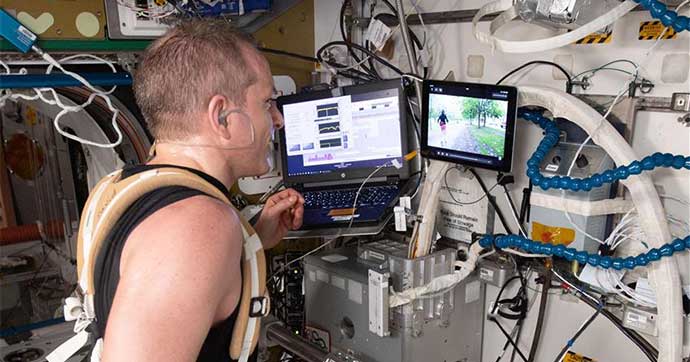
AstroFit: Building strength on Earth and in space
The goal of AstroFit is to improve astronauts' exercise routine to help astronauts lessen the effects of microgravity on their bodies during long-duration spaceflight.

C-STARS: Studying mental well-being in space
C-STARS explores the mental health of astronauts on long-duration space missions on the International Space Station. Canadian researchers will observe the connections between stress, coping strategies, meaningful work, and emotions like gratitude, compassion and awe.
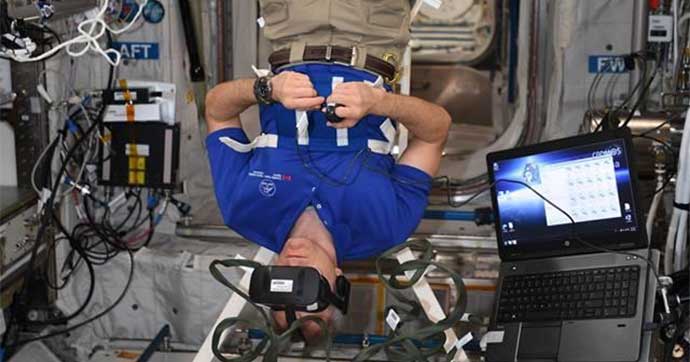
HomeBase: finding your way home without gravity
The HomeBase experiment gathers data on how astronauts keep track of their location while in microgravity.
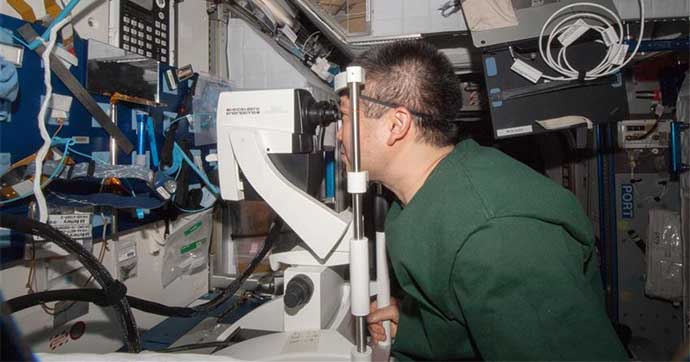
SANSORI-2: Protecting astronaut eye health in microgravity
The SANSORI-2 experiment seeks to discover the factors involved in vision changes that some astronauts experience on the International Space Station.
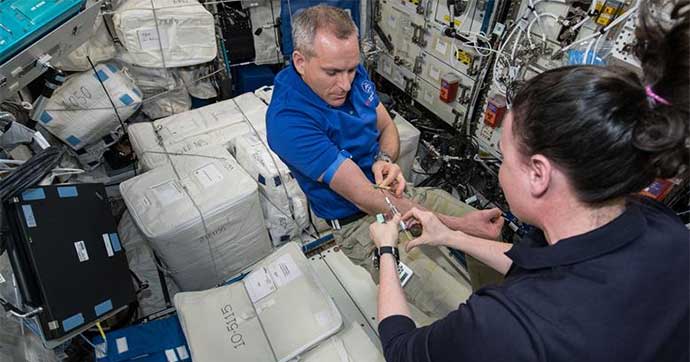
SPARK: Investigating anemia in space
The SPARK experiment gathers data on why and how astronauts experience anemia in space.
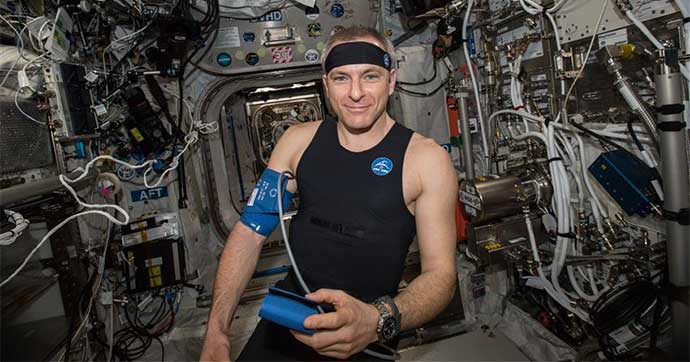
CARDIOBREATH: Taking a deep dive into astronaut health
The CARDIOBREATH experiment tracks changes in how astronauts' cardiovascular and respiratory systems control their blood pressure, with the goal of keeping crews healthier in space and upon return.
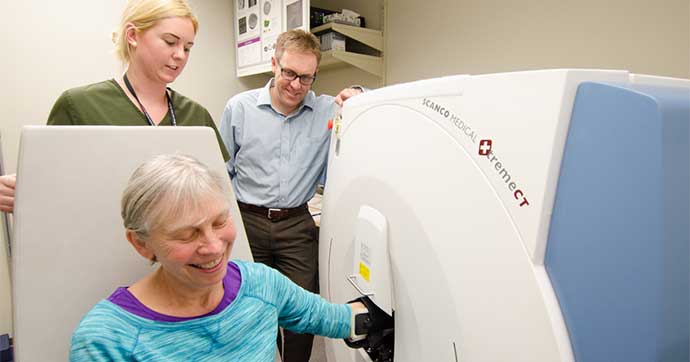
TBone studies: Effects of microgravity on astronauts' bones
The Canadian TBone experiment used 3D imaging technology to study changes in astronauts' bone health caused by the time they spend in space. Its successor, TBone2, is continuing this work.

Bio-Monitor: Keeping an eye on astronauts' vital signs
This bio-monitoring system, which includes a smart shirt, monitors and records astronauts' vital signs.
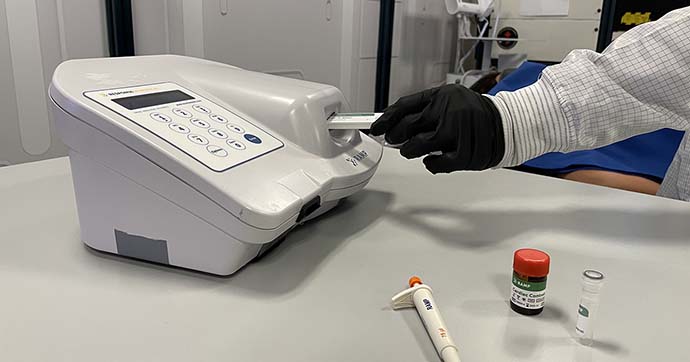
ACTIS: Assessing astronauts' blood clot risks
This device measures levels of D-Dimer to enable assessment of blood clot risks in microgravity
International activities
National Aeronautics and Space Administration (NASA)
-
Soyuz/Spacecraft Occupant Risk
This study's objective is to develop an astronaut landing injury database that will include the true number and types of injuries associated with landings. It will be used to determine the risk factors that contributed to those injuries and allow for better crew protection in future spacecraft designs.
European Space Agency (ESA)
-
This study involves conducting a biomechanical analysis of exercise performed by astronauts on the Advanced Resistive Exercise Device (ARED). The goal is to optimize exercise programs for astronauts, in order to limit muscle and bone loss during long-duration missions.
-
This study aims to better understand microgravity-induced bone loss and bone long-term recovery after space flight. The research team assesses the astronauts' bone morphology, quality and cellular activity markers, and combines the data together to develop a bone digital twin model. This model can predict astronaut-specific bone evolution and skeletal risks.
-
E4D (European Enhanced Exploration Exercise Device)
E4D is a compact, versatile in-flight exercise system designed to ensure astronauts stay strong and ready for the physical demands of returning to Earth or working on other planetary surfaces. The device supports over 30 strength exercises, and several crewmembers will test up to 100 exercise variations.
-
This study will collect pre-, during-, and post-mission data on astronauts and compare it to data gathered from submariners. This will make it possible to distinguish the effects caused by space-related stressors (microgravity and cosmic rays) from those mainly due to confinement, isolation and psychophysical stress, which are common to life on the International Space Station and aboard submarines.
-
The main objective of this study is to determine the effectiveness of bilateral neuromuscular electrical stimulation (NMES) during the last period in-orbit to counteract the spaceflight-related decline in exercise capacity, muscle mass, neuromuscular function and muscle endurance of skeletal muscle.