
Space farmer: a mini-greenhouse experiment to seed the way for future astronauts

This activity aims to build a mini-greenhouse and grow food with simple seed sprouting and monitoring.
It is adapted from the Canadian Space Agency's (CSA) Lunar Adventure Kit for Inuit youth.
Background
When astronauts go farther into space, like the Moon or Mars, it will take a lot of time. They won't be able to take all their food with them. It would take too much space. They will have to grow some of their food to meet their nutritional needs. Since they will become the stewards for each plant, they need to understand what it takes to optimize growing conditions.
Objectives
Build a mini-greenhouse to:
- Understand the basic needs of plants to survive
- Explore the qualities and properties of different plants (taste, nutrients, space required to grow, time for the plants to grow and be ready to eat)
- Practise making observations
Impacts on Earth!
Learning to grow food in environments like space is a challenge that many of Canada's northern communities also face. The CSA is exploring ways of using space technology to help improve the accessibility of fresh food in space and across the country, including in the North.
What is a greenhouse?
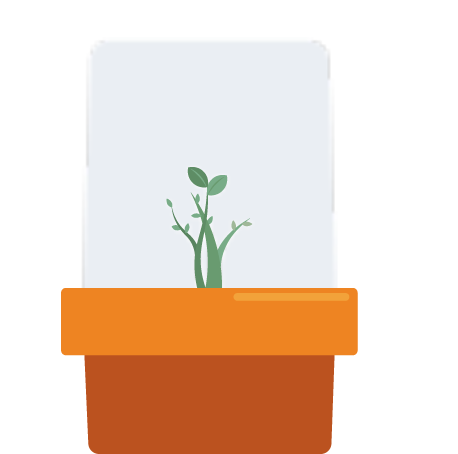
A greenhouse is like a cozy home for plants. It's a special house made of clear material (usually plastic or glass) that lets sunlight in. The sunlight makes the inside of the greenhouse warm, just like the Sun warms us outside.
Plants inside the greenhouse are protected from the cold and wind outside, so they can grow happily all year round. It's like a sunny, safe bubble for plants, helping them stay warm and comfy.
You will need:
- Clear plastic containers (e.g. pop bottles, juice jugs, plastic salad containers)
- Cardboard tubes or egg carton
- Tape
- Watering can or spray bottle
- Sunlight (LED or grow light optional)
- Gardening soil or peat pellets
- Seeds for different herbs or vegetables
How to build your mini-greenhouse
-
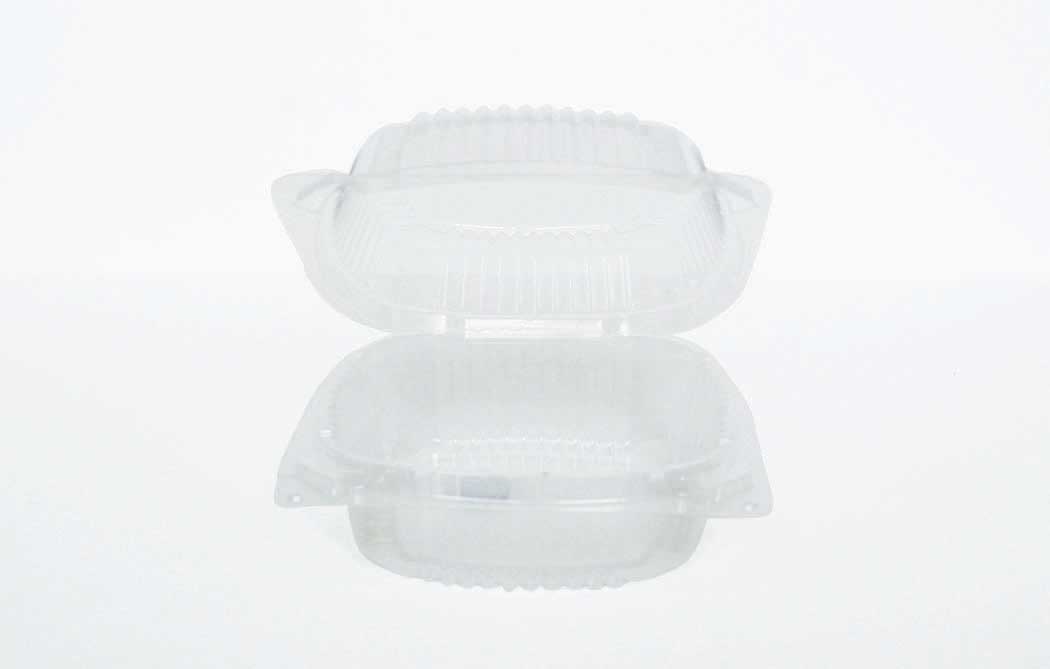
Prepare the plastic enclosure: Depending on your material, you may need to tape two plastic containers or bottles together. Be sure to leave a spot where they can be reopened to tend to your plant as it grows.
-
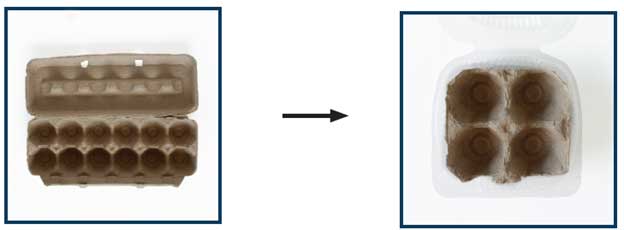
Prepare the base: Safely cut the cardboard tube or egg carton and place it inside the plastic enclosure. This will act as the individual planting pods where the seeds will grow.
-
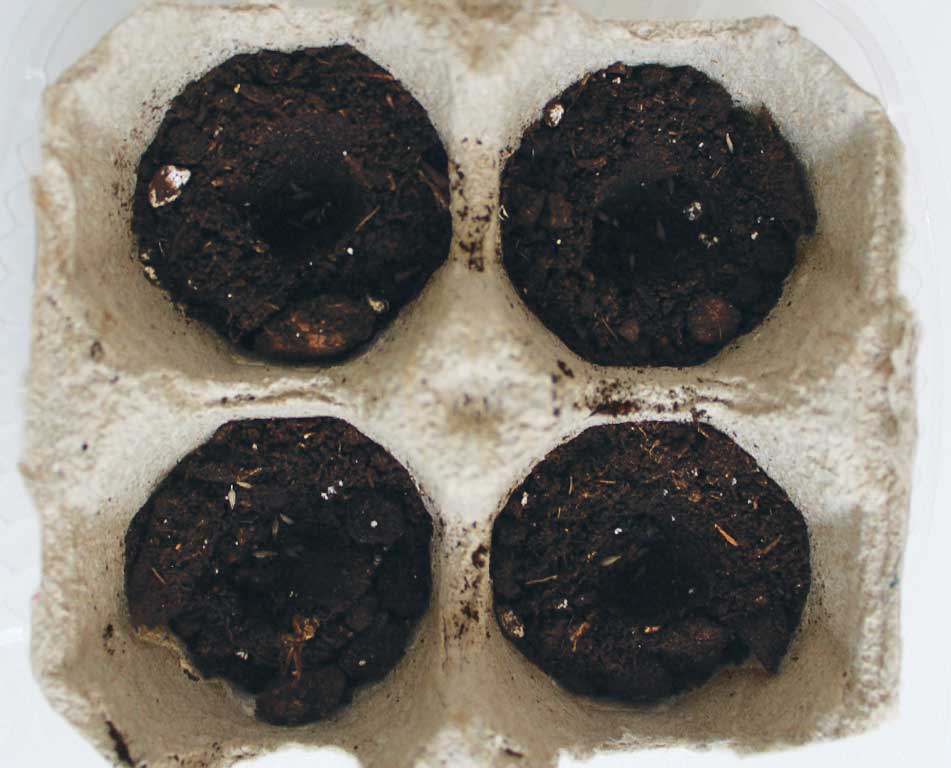
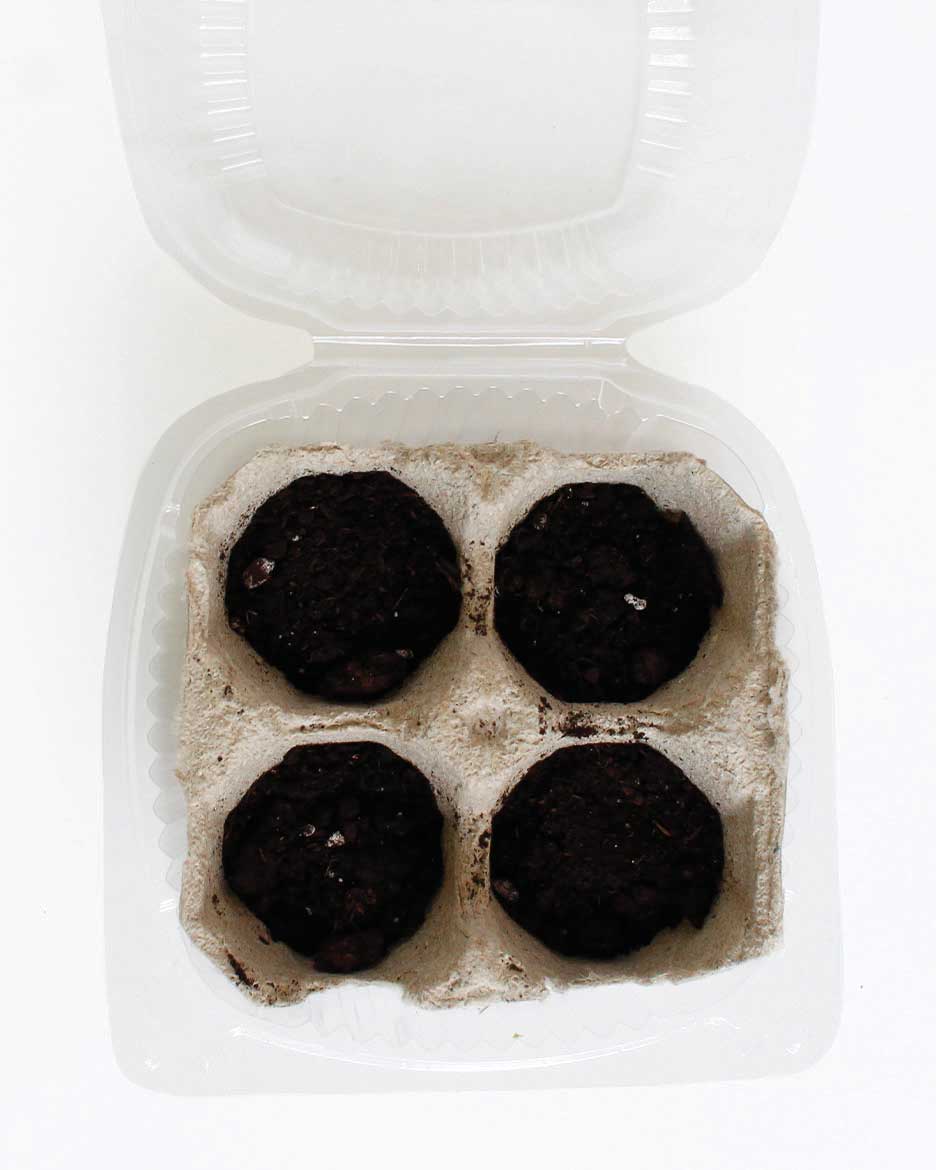
Add soil or peat pellet to each egg cup to about 2/3 full.
-
Make a small indent in the center of each pod with a finger or a pencil. Place the seed in the centre and gently cover it with the surrounding soil.
-
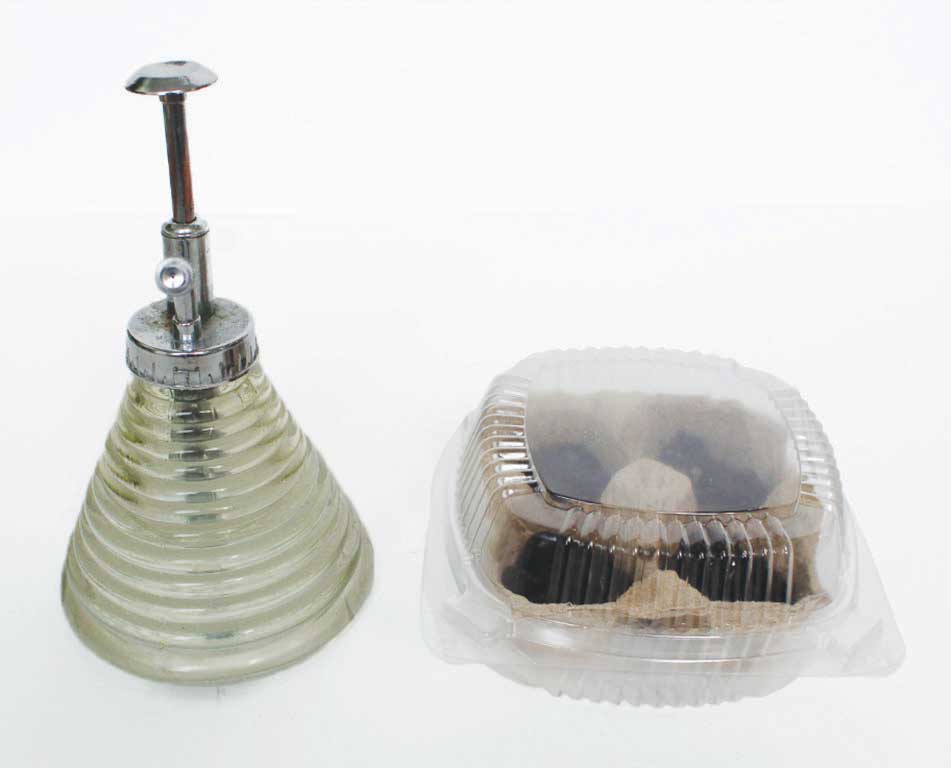
Gently moisten with water using the spray bottle or watering can and place the lid back on.
-
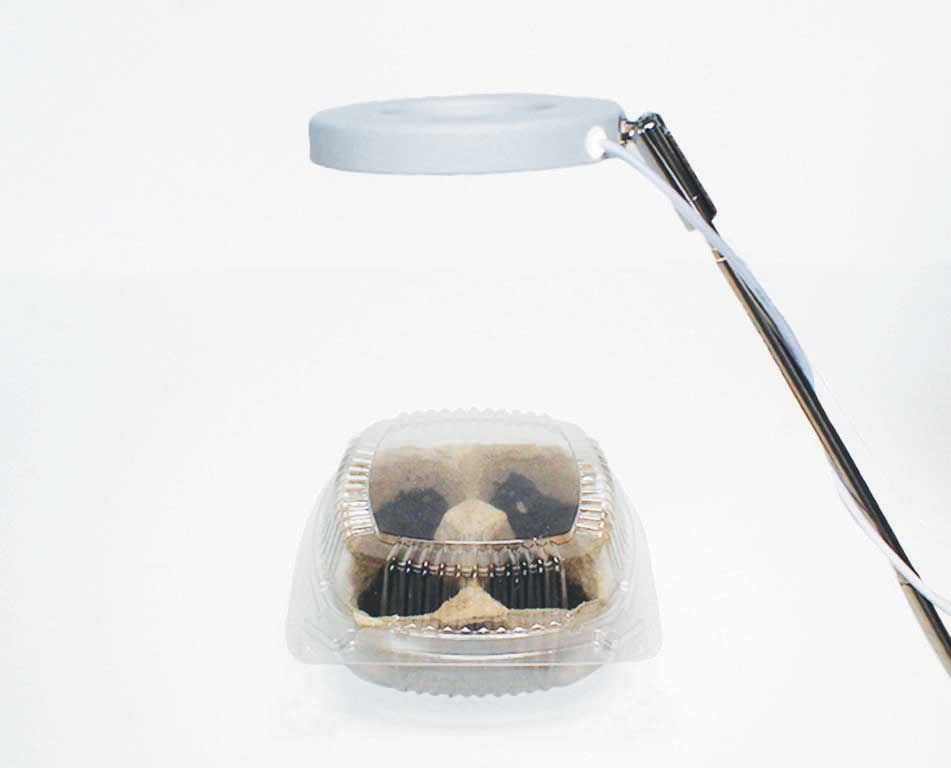
Place the mini-greenhouse near a source of light and warmth. Monitor growth daily and add water when the soil feels dry (about every other day).
-
Transplant once the plants have grown too big for the mini-greenhouse. If they need pollinating, gently shake the mature plants daily to spread the pollen around.

Having plants on board a spacecraft can have a positive impact on astronauts' mental health. Taking time to be around and tend to living things can help reduce stress, improve mood and take their mind away from their complicated work.
Tips for success
- Put your mini-greenhouse where it can catch lots of sunlight. Plants love sunlight and it helps them grow big and strong.
- Keep your mini-greenhouse cozy! Plants like it warm, so make sure it's not too cold outside.
- Water wisely: plants need water but be careful not to give them too much!
- Use a good soil mix can help with seed success.
- Give the containers a rotation every week to get sunlight on all sides.
- Celebrate growth spurts: note down observations of new leaves or flowers as plants progress.
- Journal: what days did the plant get water? What days were warmer than others? What changes could be observed as a result? Think about advice to future space farmers when caring for this type of plant.
- Be a weather reporter: what changes in temperature or humidity happened in the environment around the mini-greenhouse? Is it warmer? More humid?
Reflection questions
- What recycled materials did you use for your mini-greenhouse? What made you choose them?
- How many times a week did you need to care for your plants? Did anything surprise you as your plants grew?
- What tips could you pass on to others if they wanted to make their own mini-greenhouse?
- How does growing your plants on Earth compare to growing food in space?
Learn more about space food and food production
Teachers:
Use the resource linked below to help your students learn more about eating and growing plants in space.
Consider registering your class for Tomatosphere to learn more about plant biology and food production! Your students can even use their mini-greenhouse to grow the seeds!