Interior freshwater wetlands develop in areas where the underlying soil remains saturated with water for most of the year, leading to permanantely or seasonally flooded ecosystems where water-adapted plants and animals thrive. In Canada, the most common types of wetlands include ponds, swamps, marshes and peatbogs, which are differentiated based on the type of vegetation that grows there, and the depth and permanency of the surface water in these areas. Wetlands are crucial to the control and prevention of floods because they can absorb and store large amounds of water and then slowly release water during periods of drought. Wetlands are also important because many birds rest in and feed on freshwater wetlands during periods of migration and overwintering. For example, in the fall, the endangered Whooping Crane (the largest bird in North America) flies 4,000 kilometres from the interior freshwater wetlands in the Northwest Territories to overwinter in the saltier coastal wetlands in Texas, along the Gulf of Mexico, and then back again in the spring. During this migratory journey, the Whooping Cranes will touch down several times to rest and feed.
Videos
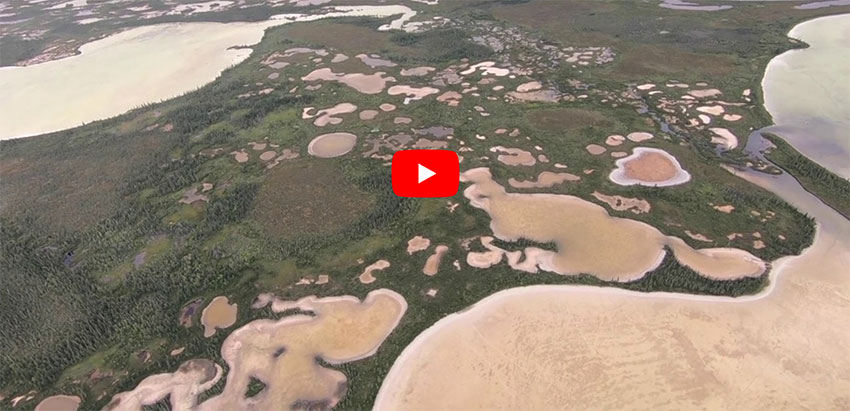
Video 1: Watch this video to learn about the Whooping Cranes at the Wood Buffalo National Park in the Northwest Territories. Credit: The Roberta Bondar Foundation
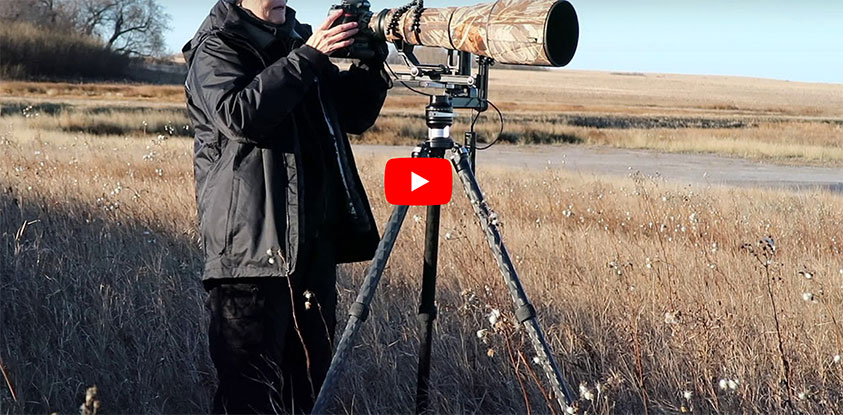
Video 2: Watch this video to learn about Whooping Crane migratory stopovers in interior wetlands. Credit: The Roberta Bondar Foundation
Did you know?
It is illegal in both Canada and the United States to hunt Whooping Cranes, and with several important wetlands along their migratory flightpath currently being protected, their numbers have slowly risen from a low of fifteen Whooping Cranes in the world about eighty years ago to more than five hundred living in the wild today.
An out-of-this-world view!
Photography from space inspires us to work towards maintaining a balance between the needs of human beings and those of other species. Satellites provide information about land and freshwater use by human beings and help us measure what fraction of these resources are still in their natural states. Recent images from space indicate that wetlands have been shrinking over time, often because they are drained and replaced with housing developments and urban centres. Without wetlands and the food that they provide, many birds now have to search for food on surrounding farmlands.
Fun fact!
The red patch on the top of the head of the Whooping Crane and the Sandhill Crane is near-featherless skin that can change in size and colour intensity depending on behaviour, such as when they become aggressive towards predators or protective of their nest.